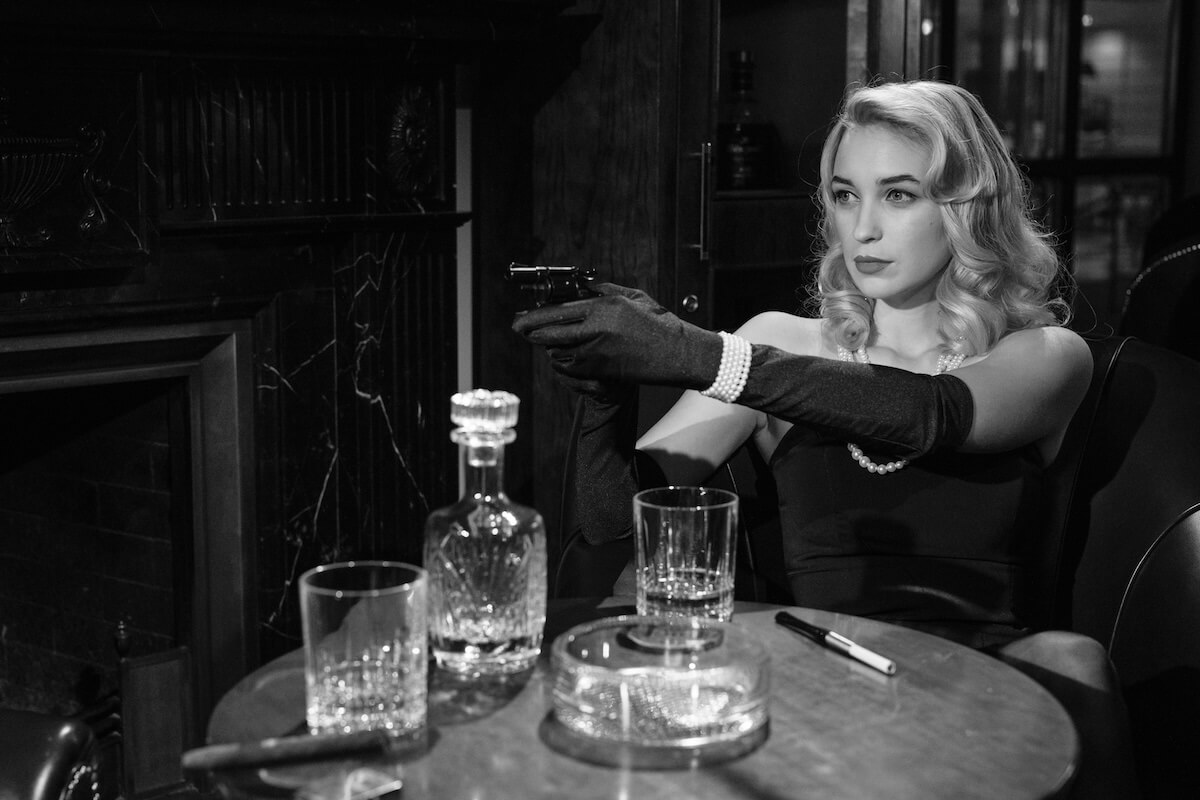
Chekhov’s Gun is a principle of narrative economy, usually summarised as: if you show a loaded gun on the wall in the first act, it needs to go off by the end of the story. If it isn’t going to be used, it shouldn’t be there in the first place.
The name comes from the Russian playwright and short story writer Anton Chekhov, who wrote in a letter that if you say a gun is hanging on the wall in the first chapter, it absolutely must be fired later, otherwise it shouldn’t be hanging there at all. He wasn’t talking specifically about firearms. He was describing a broader rule: don’t make false promises to your reader.
What the Principle Actually Means
Every significant, deliberately highlighted detail creates an implicit promise that it matters. A reader who notices a detail the narrative has drawn attention to (a locked drawer, a scar, a skill a character mentions offhand) starts expecting it to become relevant. If it never does, the reader feels, even subconsciously, that they were misled about what to pay attention to.
This is different from ordinary description. A character’s house can have a hundred unremarkable details, furniture, wallpaper, the weather outside, without any of them needing to pay off, because none of them are presented as significant. Chekhov’s Gun applies specifically to details the narrative flags as worth noticing, whether through emphasis, repetition, or a character’s own attention to them.
Why It Matters
Readers build expectations based on what a story chooses to show them. A novel that plants many unfired guns trains its reader to stop trusting its signals, which is a real cost: once a reader learns that emphasised details don’t necessarily matter, they stop reading closely, and the details that do matter land with less impact because the reader has learned not to trust the emphasis.
Applying It in Revision
Chekhov’s Gun is most useful as a revision tool rather than a drafting rule, since first drafts naturally accumulate details that seemed important in the moment but never pay off. During revision, it’s worth asking of any detail given unusual weight:
- Does this detail get used later, in the plot or thematically?
- If it doesn’t, is the emphasis on it accidental, and can it simply be toned down rather than removed?
- If the emphasis is deliberate but the payoff is missing, does the story need the payoff added, or the emphasis removed?
The Inverse Problem
The principle also runs in the other direction. If something significant happens later in the story with no groundwork at all, a character’s sudden and previously unmentioned skill saving the day, for instance, readers can feel that the story cheated rather than surprised them. This is sometimes called reverse Chekhov’s Gun: a payoff with no gun ever shown on the wall. Both failures come from the same root cause, a mismatch between what the story sets up and what it delivers.
Final Words
Chekhov’s Gun isn’t a rule against detail or description. It’s a rule about honesty with the reader’s attention: don’t point at something and then walk away from it, and don’t deliver a payoff the reader had no way to see coming. Every detail a story deliberately highlights is a small promise. The craft is in keeping the ones you make.
Related reading:

The writing app built for novelists.
Plot, draft, edit, and format your manuscript in one private, local app for Mac. Free to download. Your writing never leaves your machine.
macOS 13 Ventura or later · No account required