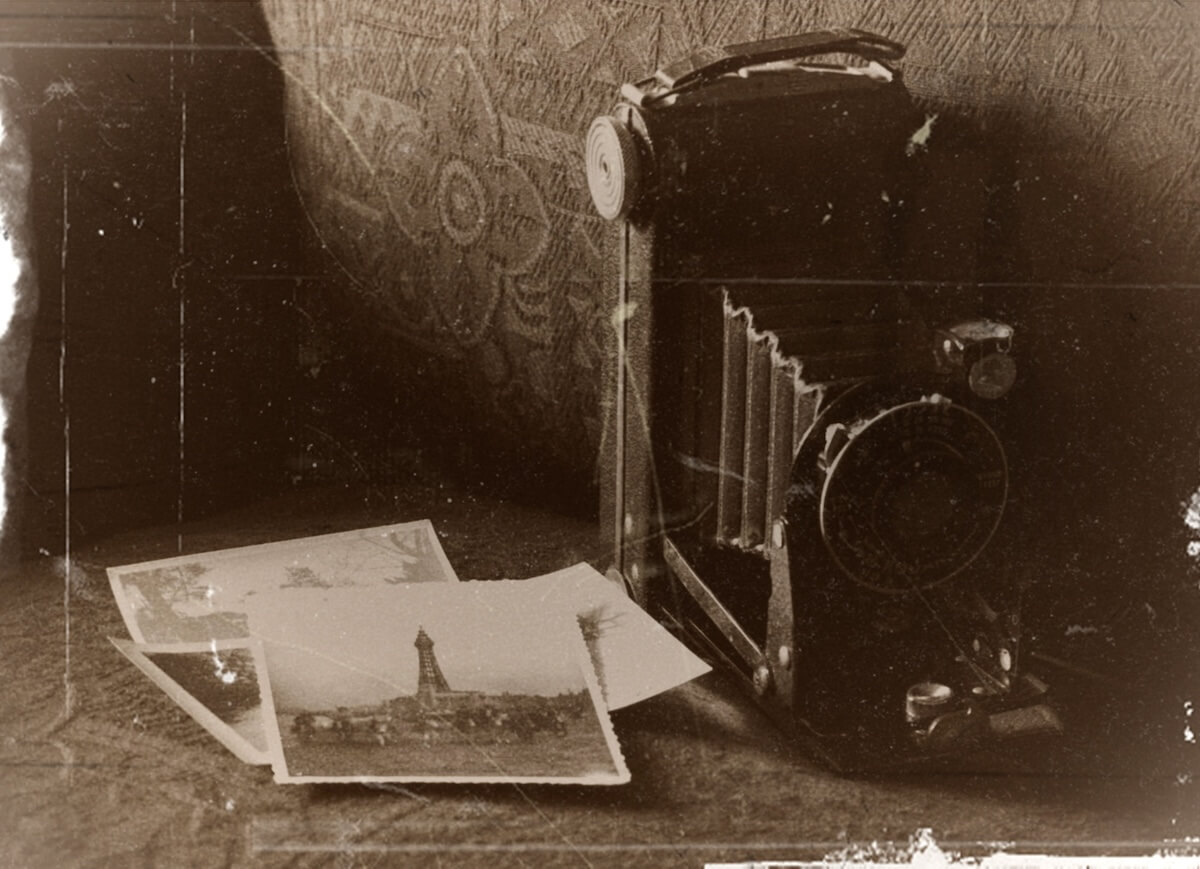
A flashback is a scene that interrupts the present-day story to dramatise something that happened earlier, taking the reader fully into a past event rather than alluding to it through backstory delivered in the present tense.
Flashbacks have a poor reputation in some writing circles, largely because they’re so often used badly: dropped in as an information dump disguised as a scene, stopping the present-day story’s momentum to explain something the reader could have learned more efficiently another way. Used well, though, a flashback does something a paragraph of backstory can’t. It lets the reader experience a past event directly, with its own tension and stakes, rather than being told about it after the fact.
When a Flashback Earns Its Place
When the past event has its own dramatic tension, not just informational value. A flashback that’s essentially just a character remembering a fact reads as a detour. A flashback with genuine stakes, conflict, a scene that could stand on its own, reads as a scene.
When the timing recontextualises something in the present. A flashback placed right after a present-day moment that doesn’t make sense on its own can land as a genuine revelation rather than an interruption, because the reader arrives at it already wanting the answer.
When it can’t be conveyed as effectively any other way. If the same information could land through a line of dialogue, an object, a single memory-triggered image, those options are almost always less disruptive to pacing than a full scene set in the past.
Common Mistakes
Flashbacks that are longer than the tension they’re built on can support. A flashback that runs several chapters risks losing the reader’s connection to the present-day story entirely, at which point the “interruption” has effectively become a second story.
Too many, too early. A flashback in the first chapter, before the reader has any investment in the present-day story, has nothing to interrupt yet and nothing to recontextualise.
Unclear transitions. Readers need to know immediately that they’ve moved in time. Ambiguous transitions that leave the reader disoriented about when a scene is taking place cost more than they gain, however elegant they seem on the sentence level.
An Alternative Worth Considering
Before reaching for a flashback, ask whether the information could be delivered through implication in the present instead: a character’s physical reaction, a detail they avoid mentioning, a choice that only makes sense in light of something unstated. Often the version of a story that trusts the reader to feel the weight of an unexplained past is stronger than the version that stops to explain it directly.
Final Words
A flashback isn’t a shortcut around exposition; done badly, it’s exposition with extra steps. Done well, it’s a scene in its own right, with its own stakes, placed exactly where its impact on the present-day story is highest. If a flashback wouldn’t work as a standalone scene, it’s worth asking whether it belongs in the manuscript at all.
Related reading:

The writing app built for novelists.
Plot, draft, edit, and format your manuscript in one private, local app for Mac. Free to download. Your writing never leaves your machine.
macOS 13 Ventura or later · No account required