Writing advice, craft guides, and more.
For novelists who are serious about finishing — craft, structure, character, and the occasional update from us.

Adverbs in Fiction: Why Less Is Usually More
Adverbs in fiction: why they usually signal a weak verb underneath, when they're the right choice...

Weak Words in Fiction: A Complete List to Cut From Your Draft
Weak words in fiction, the full list to search your draft for, why they dilute a sentence, and wh...

Filter Words in Fiction: What They Are and How to Cut Them
Filter words explained: what they are, why they distance the reader, and how to find and cut them...

How to Self-Edit Your Novel Before Sending to a Beta Reader
How to self-edit your novel before it goes to beta readers: the three passes that matter, in the ...

What Is a Frame Story? Definition and Examples
Frame stories explained: a story told inside another story, why writers use the device, and when ...

What Is Chekhov's Gun? The Principle Explained
Chekhov's Gun explained: the principle that every significant detail in a story needs to earn its...

What Is an Unreliable Narrator? Types and How to Write One
Unreliable narrators explained: the different types, why they work, and how to signal unreliabili...

What Is a Flashback? How to Use One Without Killing Momentum
Flashbacks explained: what separates an earned flashback from a stalling one, and how to use them...

What Is Backstory? How to Use It Without Slowing Your Novel Down
Backstory explained: what it is, why too much of it kills momentum, and how to reveal a character...
The Snowflake Method: A Step-by-Step Outlining Framework
The Snowflake Method explained: how to build a novel outline in ten expanding steps, from a one-s...

Revising Your First Draft: Where to Actually Start
How to revise a first draft: why order matters, what to fix first, and why line editing too early...

Writer's Block: What Actually Causes It and How to Get Unstuck
Writer's block explained: the specific, fixable causes behind it, and practical ways to get movin...

Antagonists and Foil Characters: What They Are and How to Write Them
Antagonists and foil characters explained: what separates a good antagonist from a generic villai...

How Long Should a Novel Be? Word Counts by Genre
Novel length by genre: typical word counts for adult fiction, YA, and genre categories, and what ...

Pacing: How to Control the Speed of Your Novel
How to control pacing in your novel: the tools that speed a story up, the tools that slow it down...

Scene and Sequel: The Building Blocks of Story Structure
Scene and sequel explained: the unit-level structure underneath every chapter, and how to use it ...

Character Arc: The Complete Guide for Novelists
Character arc explained: positive, negative, and flat arcs, the lie your character believes, and ...

The Story Spine: Pixar's Simple Framework for Plotting Any Novel
The Story Spine explained: Kenn Adams' seven-sentence framework for testing whether an idea is ac...

Kishotenketsu: The Four-Act Structure Without a Villain
Kishotenketsu explained: a four-act structure built on revelation rather than conflict, with a re...

The Fichtean Curve: How to Write a Novel That Starts at Full Tension
The Fichtean Curve explained: a structure that opens in crisis and escalates without a calm setup...
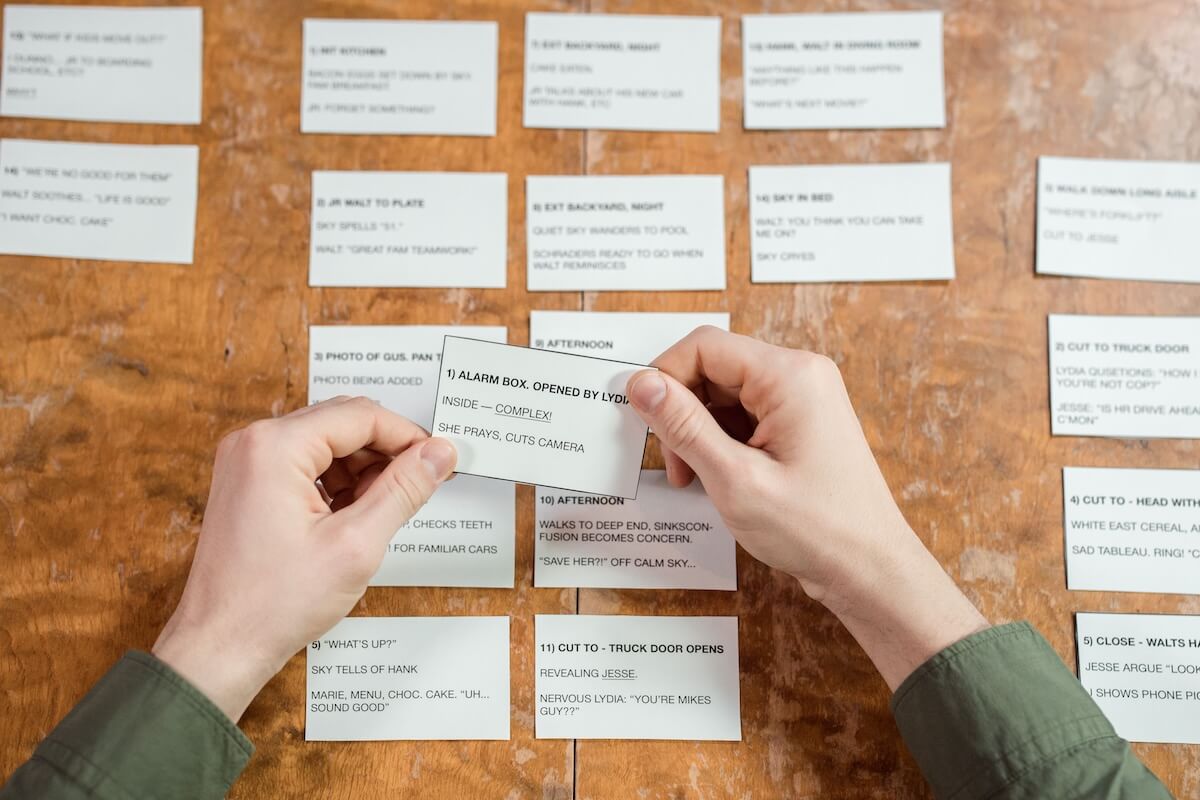
Freytag's Pyramid: The Five-Act Structure Explained for Novelists
Freytag's Pyramid explained: the five-act structure behind classical tragedy, with percentage bre...

How to Write Faster: Productivity Tips for Novelists
How to write faster: the specific, fixable habits that slow novelists down, and what actually inc...

Show Don't Tell: What It Really Means and How to Master It
Show don't tell explained properly: what telling actually is, when it's the right choice, and how...

Point of View in Fiction: First vs Third and Everything Between
Point of view explained: first, third limited, omniscient, and second person, and how to choose t...

How to Write a Novel Outline (Step-by-Step)
How to write a novel outline: five methods to choose from, the building blocks every outline need...

Indirect Characterisation: What It Is and How to Use It
Indirect characterisation explained: the five techniques for revealing character without stating ...

Character Mannerisms: How to Make Characters Feel Real on the Page
Character mannerisms explained: the small physical habits that make fictional people feel real, a...

Character Flaws: The Complete List for Fiction Writers
A comprehensive list of character flaws for fiction writers, organised by what they're actually r...

Character Traits: A Master List for Fiction Writers
A working master list of character traits, plus the craft principles that turn a list of adjectiv...

What Is a Redemption Arc? How to Write One That Actually Works
Redemption arcs explained: what separates genuine change from a cheap reset, and how to structure...

Plot Twists: How to Write Them So Readers Never See Them Coming
Plot twists explained: what makes one land, the four main types, and how to plant clues without t...

What Is Exposition? How to Open Your Novel Without Boring Readers
Exposition explained: what it actually means, why it goes wrong, and how to deliver information w...

What Is a Subplot and How to Write One
Subplots explained: what makes one worth having, the most common types, and how to keep several r...

What Is a Prologue? When to Use One (and When Not To)
Prologues explained: when they earn their place in a novel, when to skip one, and a quick test to...

11 Things I Wish I'd Known Before Writing My First Book
11 things I wish I'd known before writing my first book, honest lessons on craft, process, and mi...

Static vs Dynamic Characters: What They Are and Why They Matter
Static vs dynamic characters explained, what they are, how they differ, and why both matter to ma...

How to Write Realistic and Engaging Dialogue
How to write realistic dialogue: craft conversation that reveals character, advances plot, and ke...

How to Create Tension in Your Writing
How to create tension in your story, 10 techniques to keep readers hooked, from the inciting inci...

How to Create a Character Profile: A Writer's Guide
How to create a character profile: what to include, a free template, and how to use it without lo...

How to Write Believable Characters: Character Motivation
Character motivation in fiction, how to write believable characters whose choices and actions fee...

Character Development Exercises for Fiction Writers
Character development exercises for writers, practical techniques to build unforgettable characte...

5 Key Elements of a Great Fiction Novel
5 key elements of great fiction writing, plot, character, tension, voice, and structure. The foun...

In Medias Res: How to Open Your Novel in the Middle of the Action
In medias res explained: what it actually means, the three ways to use it, and when a conventiona...

Dan Harmon's Story Circle: A Practical Guide for Novelists
Dan Harmon's Story Circle explained: the eight-step framework behind Community and Rick and Morty...

The Hero's Journey: A Novelist's Guide with Examples
The Hero's Journey explained: Campbell's twelve stages, how to adapt them by genre, and where wri...

Save the Cat Beat Sheet: How to Use It for Your Novel
The Save the Cat beat sheet explained: all fifteen beats, with percentage targets, adapted from s...
The Seven-Point Story Structure: A Practical Guide for Novelists
Seven-point story structure explained: Dan Wells' framework, pinch points, and planning a novel b...

Four-Act Structure: A Practical Guide for Novelists
Four-act structure explained: how splitting Act Two solves the saggy middle, with a full beat bre...

Three-Act Structure: How to Use It to Plan Your Novel
Three-act structure explained: the beats each act needs, common mistakes, and how to use it to di...

What Is Narrative Structure? A Guide for Novelists
Narrative structure explained: what it actually is, why it matters, and the elements every struct...
The writing app built for novelists.
Plot, draft, edit, and format your manuscript in one private, local Mac app. Free to download. Your writing never leaves your machine.
macOS 13 Ventura or later · No account required